01 / Seattle
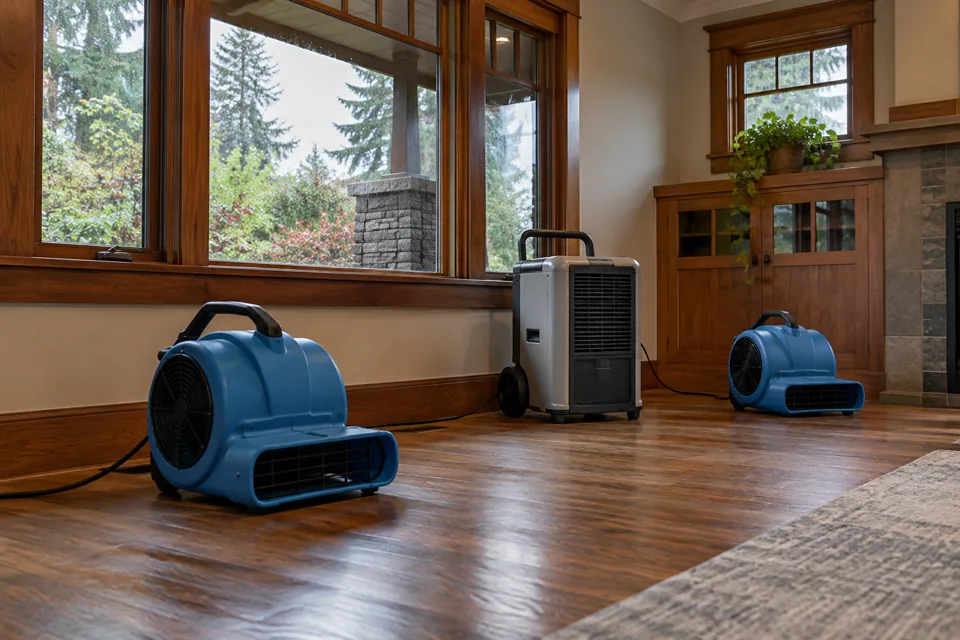
Drying & dehumidification
Understand the equipment plan and how progress is checked.
Take a closer look
After the rain. Before the rebuild.
Visible water tells only part of the story. Follow the affected materials, the moisture readings and the drying progress so repair decisions have a clear record behind them.
Source. Moisture. Drying. Verification. A better conversation at every step.
Understand the equipment plan and how progress is checked.
Take a closer look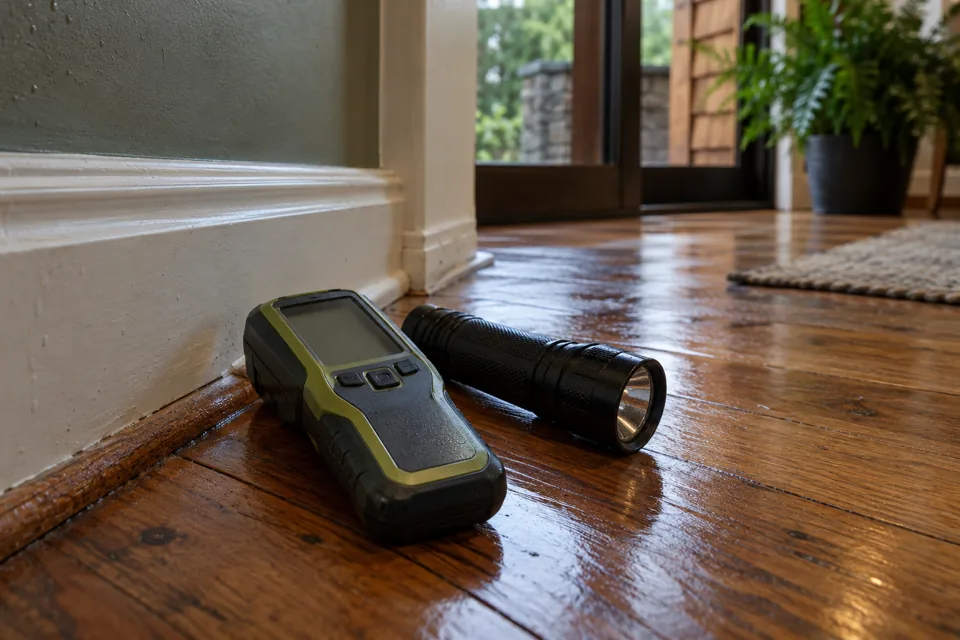
Look beyond the surface without jumping to conclusions.
Take a closer look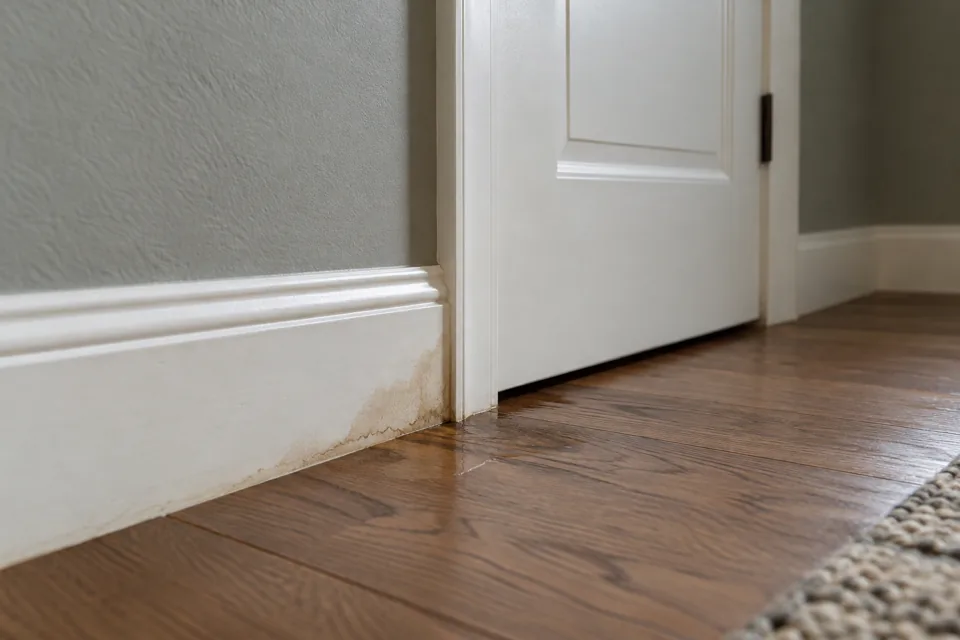
Put the source, the affected area and the next decision together.
Take a closer look
Separate drying decisions from the work that puts the room back.
Take a closer lookService descriptions explain the questions to discuss. The independent provider must confirm offered work, property coverage, credentials, pricing and availability directly.
Drying is more than leaving equipment in a room. A useful service conversation covers the affected materials, the size of the area and how progress will be recorded. Ask what equipment is proposed, how its use will be reviewed and what conditions determine when that phase ends. Confirm access needs, running costs that are not included and whether repairs are a separate scope. The aim is to understand the process and its checks rather than relying on a fixed number of days from a general description.
A moisture-inspection request should explain the original event and the rooms or materials that may be affected. Ask what areas can be assessed, what methods will be used and how the findings will be documented. Readings need context; the provider should explain how the information supports the proposed scope. Some building areas may need further access or a separate evaluation. Confirm those limits before approving work, especially where the visible damage does not show the full boundary of the concern.
Describe what happened, when it was noticed and whether the source has been addressed by the relevant professional. Identify the rooms involved and the materials you can see, without entering an affected area merely to gather more detail. Ask how the provider will define the scope, discuss access and distinguish immediate work from later repairs. A clear assessment explains what is known and what still needs confirmation. Availability and the timing of a visit must be agreed directly for your address.
Walls, baseboards, flooring and cabinetry can raise different questions after water damage. Ask which materials need assessment, what the restoration scope includes and when finish repairs can be discussed. The proposal should identify removal, drying, reinstatement and any specialist work as distinct parts of the project. Confirm what documentation will be provided and who coordinates each phase. A written handover between phases makes it easier to understand why a room is ready for the next step and what remains to be completed.
Put the key details in one place: the location, the signs and the service you want to discuss. The provider confirms coverage, availability and the work directly.
Call Now
★★★★★
We had ceiling and wall damage after a leak upstairs. The ceiling and wall repairs look clean and even. They gave me a clear explanation of the work and its limits. They made the process simple.
Olivia Jensen

★★★★★
I had a few questions before booking, and they answered them patiently. Our laundry area is back in order. The service felt well organized without being impersonal. The experience left us feeling that the issue had been taken seriously.
Jasmine Long

★★★★★
The scheduling conversation was simple and helpful. Our laundry area is back in order. The team was courteous and careful around our belongings. The way they handled the details made a good impression. The service was calm and professional.
Lois Andrews

★★★★★
The restoration work was well organized. The written notes were handy.
Seth Scott

★★★★★
The storage room is back in use. The visit felt well organized. Good communication throughout.
Tiffany Lowe

★★★★★
The damaged rooms are usable again. I am glad we arranged the visit.
Kayla Olsen

★★★★★
The crew was respectful of our space. The utility room is functional again. They answered all my questions.
Javier Higgins

★★★★★
The kitchen restoration turned out well. The amount of care put into the job made the visit feel worthwhile. I was able to ask questions without feeling like I was slowing them down. Overall, a good experience from the first call to the handover.
Theodore May

★★★★★
We were able to choose an appointment that worked for our household. Our laundry wall looks good again. They were organized from the initial walkthrough to the cleanup. I would recommend giving them a call.
Henry Robles

★★★★★
We had ceiling and wall damage after a leak upstairs. The team documented the damage and walked us through the drying and restoration plan. The ceiling and wall repairs look clean and even. A clear estimate and courteous people.
Ramon Harrison
Tell the provider your address and ZIP before relying on availability. Then describe the affected rooms, access constraints and any relevant previous work. A city name alone does not confirm that a particular service is offered at the property.
For homes with cedar siding, deep eaves and finished lower levels, a useful assessment stays focused on the actual signs and the parts of the building involved. Ask what can be inspected during the visit and which areas may need another arrangement.
This resource focuses on Seattle, Washington. Offered work and coverage at an individual address still need confirmation with the provider.
Start with the concern at your Seattle property. These answers explain the service conversation, the scope and what to confirm before a visit.
Describe when the event was noticed, the suspected source and the rooms or visible materials involved. Mention whether the source has been addressed and whether another professional is already involved. Ask what the assessment includes and how the provider will confirm the work scope. Availability and arrival times need direct confirmation for the property.
A visible stain is one observation, not a complete assessment boundary. Ask how adjoining materials and any concealed spaces will be considered and what further access may be needed. The provider should explain the findings and the reason for the proposed scope. Any additional opening or removal work should be discussed before you authorize it.
Ask what will be measured, where the checks will be recorded and how the provider decides whether the setup should change. A useful plan explains the materials and the review process as well as the equipment. Confirm what record you will receive and which findings support the end of that phase before finish repairs are agreed.
They may be separate phases or separate contracts. Read the quote for assessment, equipment, monitoring, material removal and reinstatement as distinct items. Ask who coordinates each part and what work remains outside the scope. A clear explanation helps you compare proposals and understand what the room will look like at each handover.
The cost and timing depend on the property-specific assessment and the agreed scope. This website does not quote or promise a completion date. Ask the independent provider how the estimate is formed, what can change and how changes are approved. A written sequence and scope provide a more useful starting point than a generic price.
No. The provider must confirm the address, work offered, availability and appointment terms directly. If you prepare the details now, keep the event, affected rooms and existing professional involvement together for the later conversation.
Confirm your full address, the service offered and the appointment terms with the provider. Explain access constraints and the signs you have noticed. Ask what the assessment includes, whether there is a visit charge and how the proposed work will be quoted. Damage Restoration Seattle WA is an independent resource; it does not assess the property or guarantee a provider’s schedule.
An independent provider performs any agreed work. Damage Restoration Seattle WA is an information and referral brand, so the provider’s identity, relevant credentials, scope and terms must be confirmed directly. The website does not claim a treatment team, repair crew or owned service fleet. Use the content to organize your questions, then rely on the actual provider’s written agreement.
Explain each concern and its location so the provider can confirm which services fit the request. A water-damage concern may involve more than one area or specialist. Ask whether those items belong in one assessment or separate scopes. Do not assume that a broad service label covers every repair or property condition. Clear boundaries help keep the quote and responsibilities understandable.
The details describe your concern so that an independent provider can respond. Share only what is needed: a callback number, the property ZIP and the signs you have noticed. Do not include payment, medical or other sensitive information. Sending a request does not book a visit or create a provider relationship.
For a Seattle home with deep eaves, siding and a finished lower level, a water-damage request needs a useful location as well as a timeline. Tell the provider where the concern first appeared and where it seems to extend. Ask how the assessment will record the relevant materials and any adjoining spaces.
Good documentation makes the next phase easier to discuss. Keep the source information, the moisture findings and the agreed scope together. Ask for a clear explanation of what has been assessed, what is still inaccessible and what would trigger a change in the work.
These are the problems that come up most often for Seattle homeowners. Each one links the symptom to what a provider will look for, so you can describe it clearly when you call.
Crawl spaces gain moisture from soil, vents and plumbing leaks. A vapor barrier, drainage, dehumidification and sometimes encapsulation keep humidity down and protect the structure.
A hidden pipe or appliance leak can wet wall cavities for days before anyone notices. Mold can start in 24 to 48 hours, so drying fast and checking moisture behind finishes matters.
The seasons change what homeowners in Seattle see and when to act. Water problems follow the rainy season from October through April, and condensation and mold are common in closed-up winter houses.
| Season | What to watch | What to do |
|---|---|---|
| Spring | Storms, snowmelt and heavy rain | Check the roof, gutters, sump and basement; know where the water shutoff is |
| Summer | Thunderstorms, AC condensate leaks and humidity | Keep AC drains clear, check hoses and supply lines, watch for stains |
| Fall | Storm season, leaves in gutters and early freezes | Clean gutters, inspect the roof, disconnect hoses and prepare pipes |
| Winter | Frozen and burst pipes, ice dams | Insulate pipes, keep heat on, and shut off water if you travel |
Restoration companies describe every loss by water category and class. The table shows what the terms mean so you can follow the assessment.
| Term | Meaning | Example |
|---|---|---|
| Category 1 | Clean water from a sanitary source | A burst supply line or a failed ice maker line |
| Category 2 | Water with some contamination | Washing machine or dishwasher overflow |
| Category 3 | Grossly contaminated water | Sewage backup, river or storm flooding |
| Class 1 | Least water and slow evaporation | A small area with low-porosity materials |
| Class 2 | Large area, carpet and cushion wet | A whole room with wet walls up to 24 inches |
| Class 3 | Fastest evaporation, water from above | A roof leak that wets ceilings, walls and floors |
| Class 4 | Specialty drying | Hardwood, plaster, concrete and other low-permeance materials |
Damage Restoration Seattle WA is an independent referral website. Call Now connects you with an independent provider that serves your ZIP code in Seattle, Washington. The provider confirms the address, inspects the property and gives you the scope in writing, and you decide whether to go ahead. Coverage covers Seattle and requests also reach providers serving Bellevue, Renton, Shoreline, Kirkland and Tukwila.
Tell us what you are seeing. An independent local provider confirms the visit.
Call NowBring the hidden moisture into view.